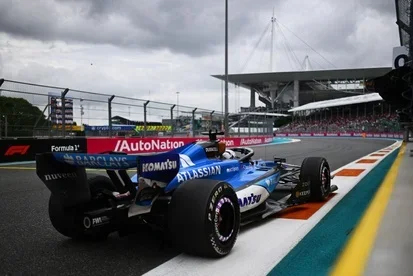

The power unit operates at elevated temperatures, offering significant development opportunities, yet the overall package has shown a deficit.
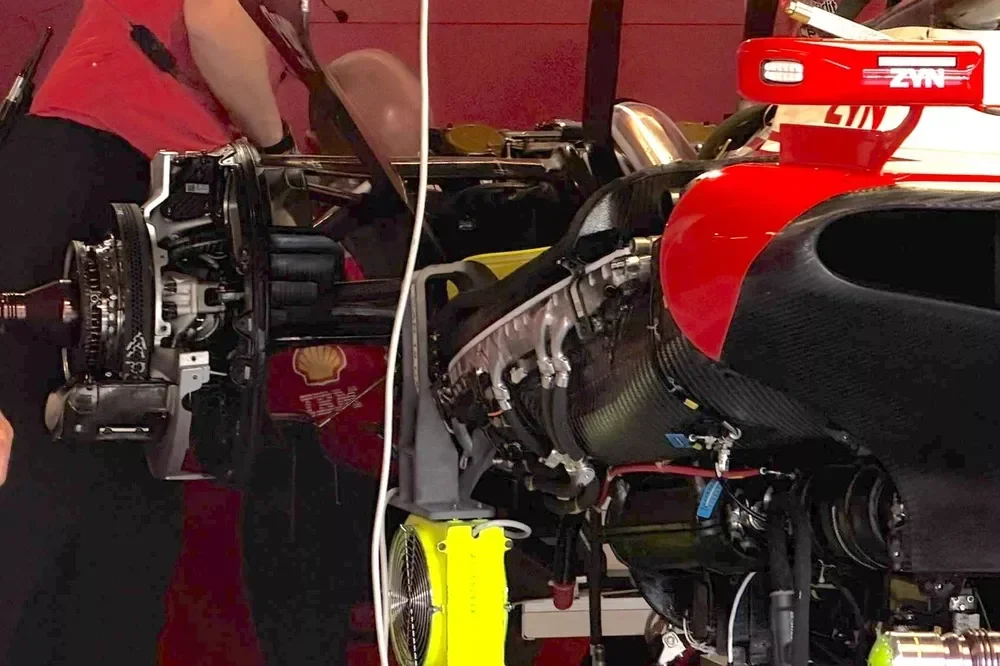
Unlike other Formula 1 teams, Ferrari’s engine features a steel cylinder head. When the news first emerged, the choice of a heavier alloy than aluminum seemed unrealistic, but it is clearly more durable. Why? According to rumors, Enrico Gualtieri and his team pursued an unprecedented design path.
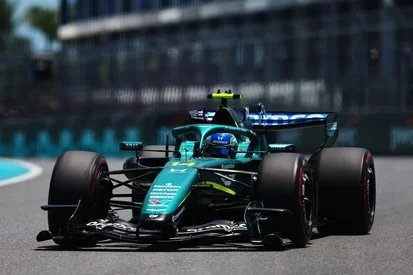
Typically, an engine achieves peak efficiency by reducing intake air temperature: the cooler the air (around 70-80 degrees Celsius), the more efficient the combustion. Ferrari, however, decided to take a completely unique approach in F1.
The turbocharged 6-cylinder 067/6 engine operates at high temperatures. The air entering the intake system reportedly exceeds 100 degrees Celsius (the actual value, which could be much higher, is kept secret). On paper, this choice might seem crazy, but it may at least help explain the power deficit of the Scuderia’s power unit compared to the benchmark Mercedes AMG M17 E Performance.
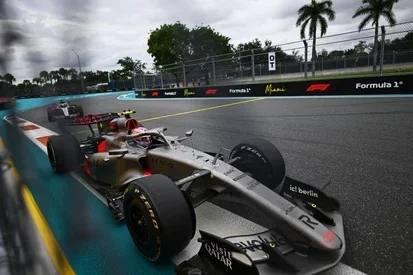
A closer look at the Ferrari SF-26: its airbox is the smallest on the grid.
Photo by: Federico Basile
In Maranello, they bet on a path where the power unit is not the sole determinant of performance. Instead, performance must be found in the perfect connection between chassis and engine, allowing them to explore development areas untapped by competitors.
Ferrari wanted to emphasize its core strength: the SF-26 is conceived, designed, and built almost entirely in the same factory—a characteristic only Red Bull can replicate, as Mercedes keeps its chassis (Brackley) and engine (Brixworth) operations separate. The same applies to Audi, with the chassis built in Hinwil and the power unit in Nuremberg.
What are the opportunities of a ‘hot’ engine that extracts peak power at higher revs? In Maranello, they carefully weighed the risks before committing to this bold solution, adopted at a time when everyone else believed the 2026 championship would be decided solely by engines.
Meanwhile, the ‘hot’ V6 allows for a reduced radiator mass on the sides of the bodywork. The advantage translates into less weight for the cooling system and, more importantly, enables extreme aerodynamics with more sculpted sidepods that could become even more radical.
Engine manufacturers reportedly sacrificed 10 to 12 horsepower to run the 067/6 at significantly higher operating temperatures than any competitor, but the penalty should be offset by greater aerodynamic efficiency. Additionally, the heat exchanger installed between the chassis and engine has a more compact shape, aiding the power unit’s packaging.
This leads to another striking aspect of the 678 project: the choice to have the central exhaust expel superheated gases at higher temperatures, allowing for a jet that plays a key aerodynamic role.
The FTM (Flick Tail Mode) system is a brilliant idea now being copied by everyone, thanks to a broad interpretation of the regulations granted by the FIA, which turns an exhaust mount into a performance tool.